York Region in 2026 is not a simple rebound story. It is a market shaped by more price-sensitive buyers, fewer easy financing assumptions, and a growing focus on practical home types that can actually support family life. For buyers and sellers alike, that means decisions are becoming more selective, more local, and more tied to day-to-day value rather than broad market headlines.
At the Greater Toronto Area level, TRREB reported that March 2026 sales were up from a year earlier while new listings were down even more sharply, which suggests that conditions tightened compared with early 2025. At the same time, average selling prices remained lower year-over-year, giving buyers more negotiating room than they had during the earlier peak years. In York Region, that combination matters: motivated buyers are active, but they are more careful about price, product type, and long-term livability.
Family-sized housing matters more than ever
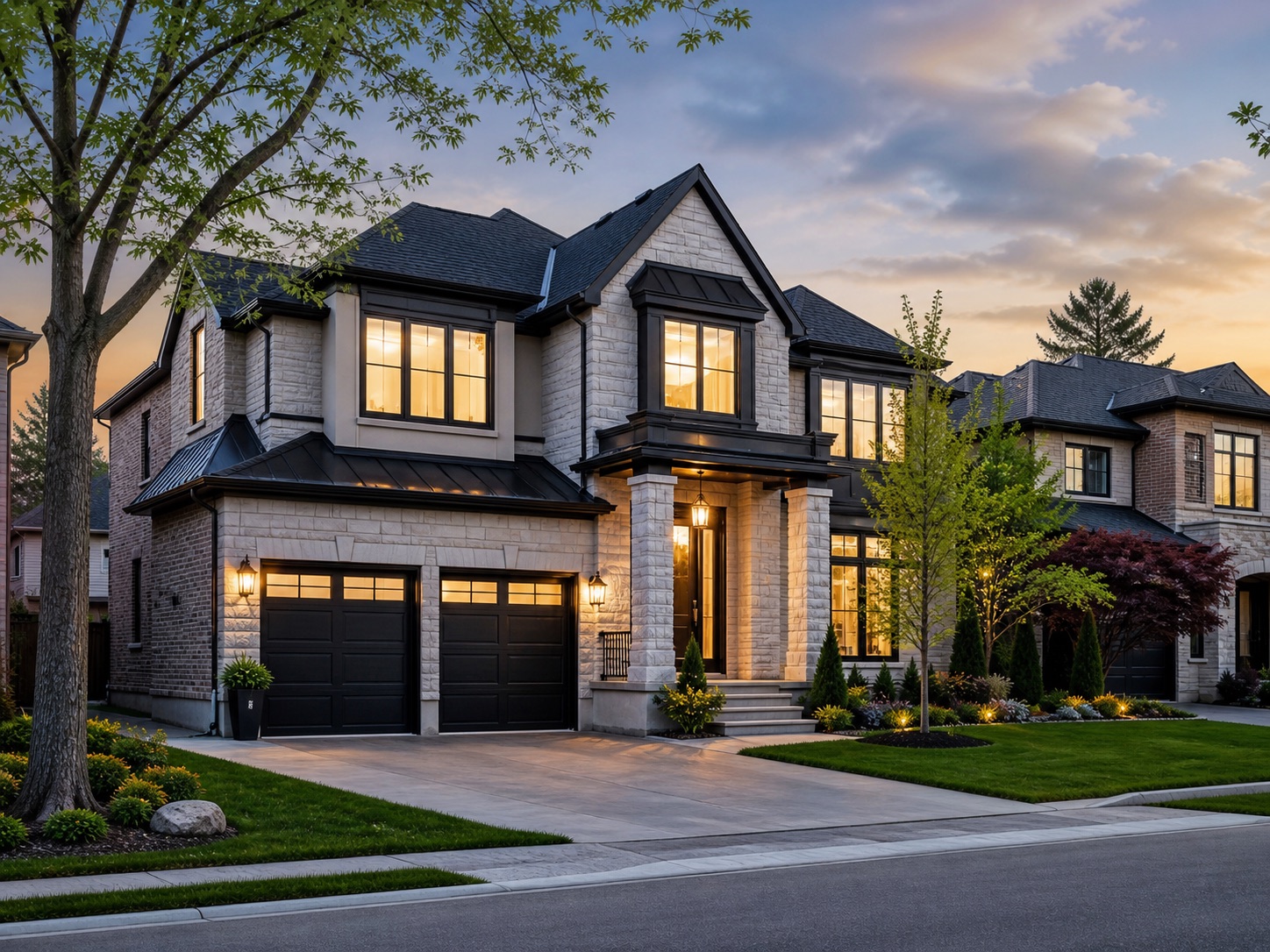
One of the clearest themes for York Region is the continued importance of family-oriented housing. TRREB's 2026 submissions to York Region repeatedly emphasized the shortage of larger, family-friendly housing options and the need to support missing-middle homes. That is important because York Region continues to attract households that are comparing more space, better school access, and longer-term lifestyle value against what they can buy closer to the downtown core.
In practice, this means ground-related homes, larger townhouses, and well-designed multi-bedroom properties remain especially relevant. Buyers are not just shopping by price. They are comparing commute times, school districts, parking, storage, outdoor space, and whether the property can still work three to five years from now.
Affordability still shapes behaviour
Even with lower prices in parts of the market, affordability remains the central filter. Higher ownership costs over the past two years changed how buyers define value. In 2026, fewer households are stretching for a property that only works if rates drop quickly or prices jump immediately. Instead, buyers are spending more time on the total monthly cost, resale flexibility, and the trade-off between newer finishes and better long-term layout.
For York Region sellers, the takeaway is simple: accurate pricing and realistic positioning matter more than optimism. For buyers, the opportunity is that better preparation can still uncover value in a market that is more negotiable than it was during the peak cycle.
Transit, supply, and infrastructure still matter
York Region's market is also being influenced by infrastructure and policy questions, not just resale demand. TRREB's 2026 advocacy around development charges and transit investment makes that clear. When development costs stay elevated and approvals remain slow, it becomes harder to deliver the kind of housing mix the region actually needs. That keeps pressure on the most practical home types and limits how quickly affordability can improve.
Areas with strong transit access, major employment links, and established schools will likely remain more resilient. Buyers still care about location, but they are evaluating it through a more practical lens: commute flexibility, household growth, and future resale strength.
What this means for the rest of 2026
Expect selective demand rather than broad-based bidding pressure.
Well-priced family-oriented homes should continue to attract the strongest attention.
Negotiation remains possible, but serious buyers are still moving when a property clearly fits their needs.
Sellers need better preparation, better pricing discipline, and clearer presentation than during stronger seller-market periods.
York Region remains one of the most important move-up and family-oriented markets in the GTA. In 2026, success is less about chasing headlines and more about understanding which homes still solve real lifestyle problems. That is where the strongest activity is likely to remain.